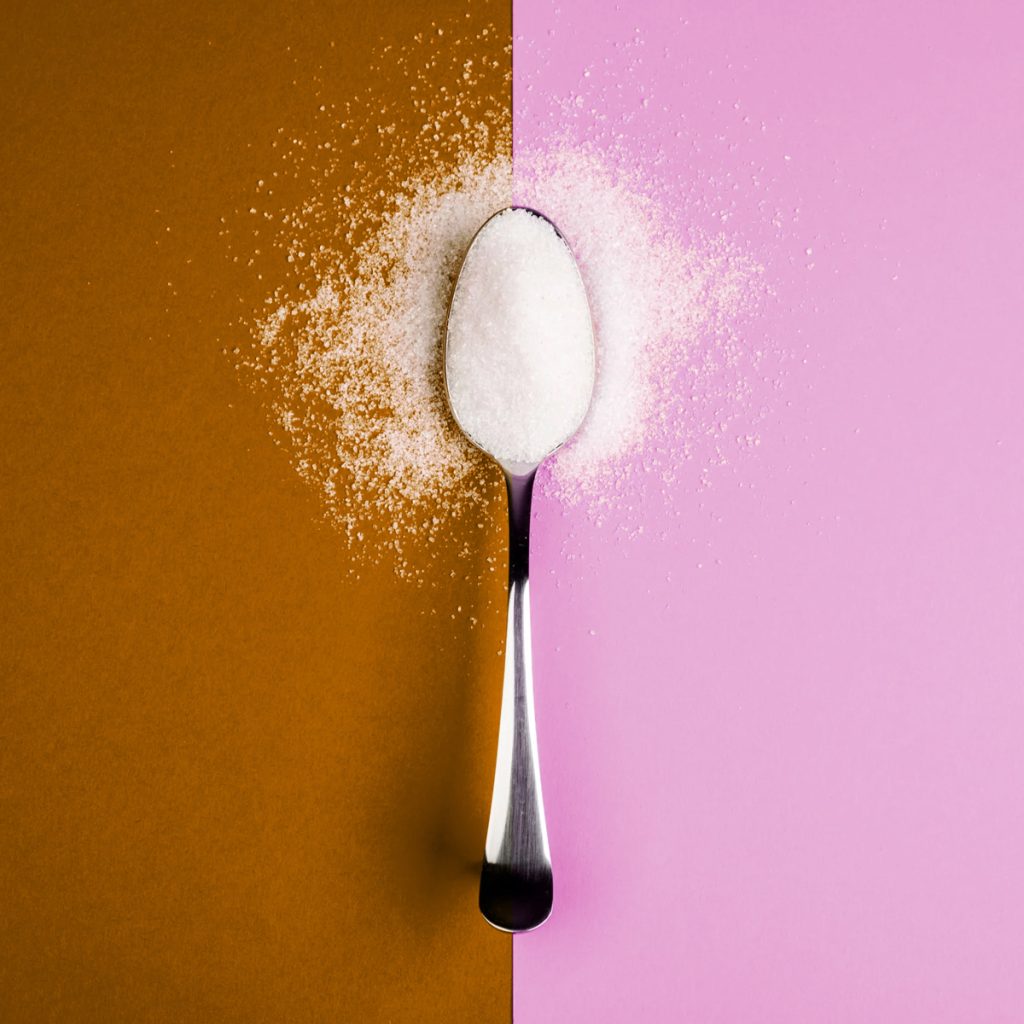
How Consumer Awareness is Transforming the Beverage Market in Bars, with an Acceleration Ahead of the 2025 Sugar Tax
Over the past two decades, coffee consumption in Italy has undergone a profound and lasting transformation. Drinking authentic espresso without added sugar—appreciating its natural aromatic nuances—has shifted from being an exception to a widespread habit. This cultural shift has firmly rooted itself in the daily routines of Italians.
However, there is a paradox in the world of soluble beverages: why is ginseng—sought after precisely for its beneficial properties and natural essence—still predominantly served in versions loaded with sugar?
The Paradox of Sugary Soluble Ginseng
Ginseng coffee currently accounts for about 3% of bar orders in Italy—a growing niche that attracts health-conscious consumers seeking alternatives to traditional coffee. Industry data shows that an average bar serves 4-5 cups of ginseng coffee per day, compared to around 175 cups of espresso.
Yet, most soluble ginseng products served in cafés contain high amounts of added sugars, creating an evident contradiction: a product valued for its health benefits is offered in a form that contradicts the very principles of naturalness that motivate its consumption.
This inconsistency will become even more evident with the introduction of the Sugar Tax.
Sugar Tax 2025: Concrete Numbers for the Industry
Starting July 1, 2025, Italy will implement the Sugar Tax, imposing:
- €0.25 per kilogram on concentrated products to be diluted (such as soluble ginseng)
- €10 per hectoliter on ready-to-drink products
To contextualize these figures in the coffee shop industry, let’s analyze the concrete impact:
- A bar serving an average of 5 ginseng coffees per day (150 per month)
- Using approximately 3-4 grams of product per cup
- Monthly consumption: about 0.5 kg of soluble product
- Additional monthly cost due to the Sugar Tax: about €0.12 per kg, meaning less than €0.10 per month for an average bar
The direct economic impact on individual businesses is therefore almost negligible.
The real change will be cultural and perceptual.
From Economic Impact to Perceptual Impact
The introduction of the Sugar Tax, along with its media coverage, will draw increased attention to the presence of sugars in everyday beverages. Consumers, already increasingly health-conscious, will start asking previously overlooked questions:
- “How much sugar is in my soluble ginseng?”
- “Why is a health-related product packed with sugar?”
- “If I prefer sugar-free coffee, why should I accept sugary ginseng?”
The Natural Evolution: From Coffee to Ginseng
The shift towards sugar-free coffee consumption highlights a clear trend: consumers are increasingly interested in experiencing the authentic taste of beverages, prioritizing quality and authenticity.
The comparison with coffee is revealing: in the 1980s and 1990s, adding sugar to coffee was almost automatic. Today, more and more people prefer to enjoy espresso in its pure form, appreciating its aromatic nuances without masking them.
Soluble ginseng is following a similar trajectory, but with a time lag. The change that happened with coffee is now beginning to emerge with ginseng, with one key difference: while coffee drinkers traditionally added sugar themselves, soluble ginseng already contains sugar in significant amounts, leaving no choice for the consumer.
The Role of Roasters and Distributors
In this evolving landscape, high-quality roasters and distributors have a strategic opportunity: to anticipate a market shift that is already underway by offering a premium alternative that enhances their portfolio of excellence.
Just as a fine dining restaurant wouldn’t serve industrial bread alongside gourmet dishes, a café investing in high-quality coffee creates an inconsistency by offering commercial ginseng packed with sugars.
By introducing sugar-free alternatives, roasters can:
- Elevate the overall quality of their offering
- Stand out in a market still dominated by standardized products
- Anticipate the demands of an increasingly aware consumer base
- Maintain consistency in the premium positioning of their brand
- Reduce machine maintenance costs
Immediate Perceived Quality Differences
The difference between a premium sugar-free soluble ginseng and a commercial product is immediately noticeable:
- Authentic taste – The real flavor of ginseng and Arabica coffee, unmasked by sugars
- Persistent aroma – Complex notes that develop on the palate, rather than flat, artificial flavors
- Freedom of choice – Customers can decide if and how much to sweeten their drink, just as they do with coffee
- Transparency – A product that does not conceal ingredients behind an overpoweringly sweet taste
In addition to these customer-perceived benefits, there are tangible operational advantages:
- Reduced maintenance – The absence of sugar significantly decreases residue buildup in machines, cutting maintenance costs by up to 30%
- Greater versatility – One product that satisfies both purists and those who prefer added sweetness
- Consistency in the offering – Harmonizing high-quality coffee with premium alternative beverages
Preparing for the Turning Point
The July 2025 Sugar Tax will serve as a catalyst for an ongoing evolution. It will not significantly impact bar operating costs but will dramatically increase consumer awareness about the presence of sugar in soluble products.
Pioneers who introduce sugar-free alternatives before this tipping point will position themselves as leaders attuned to consumer needs, rather than followers reacting to market shifts.
As with coffee—where drinking it sugar-free has almost become the norm—soluble ginseng is naturally evolving towards authenticity. And the most forward-thinking roasters and distributors are already prepared for this transformation.
Thai Break® Senza by Foodrinks represents the premium response to this evolution: a product that combines selected Arabica coffee and real Thai ginseng, with no added sugars, preserving all the taste and energy of authentic raw materials. For more information or to request a free sample, contact Foodrinks customer service.